From vision to scalable operations
From a fragmented operation to one integrated system
We design and implement business systems that turn your strategy into measurable operational performance by aligning processes, teams, data, and technology. Point the business toward an AI-enabled future.
Business Architecture • ERP Platforms • Custom Software • Automation • Applied and Agentic AI
INTEGRATE
SYSTEM
Processes, people, data, technology, and AI — designed to work together.
The challenge
Growth Becomes Difficult When Your Business Operates in Fragments
Most growing organizations don't lack software. They lack a system that connects how work actually flows from the first customer contact to the final report.

Sales runs in one system
Opportunities, quotes, and customer history live apart from the teams that deliver the work.
Operations depend on spreadsheets
Critical schedules, costs and statuses are tracked in files that only one person understands.
Field teams work through messages
Job details, photos and approvals are scattered across chats instead of the work order.
People re-enter the same data
Every hand-off means retyping information, creating delays and avoidable errors.
Management sees results too late
Reports are assembled after the fact, so decisions are made on last month's numbers.
AI has nothing reliable to learn from
Disconnected, inconsistent data blocks automation and trustworthy insights.
Our approach
We Architect the System Behind Your Operations
Technology only creates value when it follows a clear business design. We start with how your organization should operate, then build the platform, integrations, and intelligence around it.
- One source of truth for operations
- Processes designed before they are automated
- A foundation ready to evolve with AI
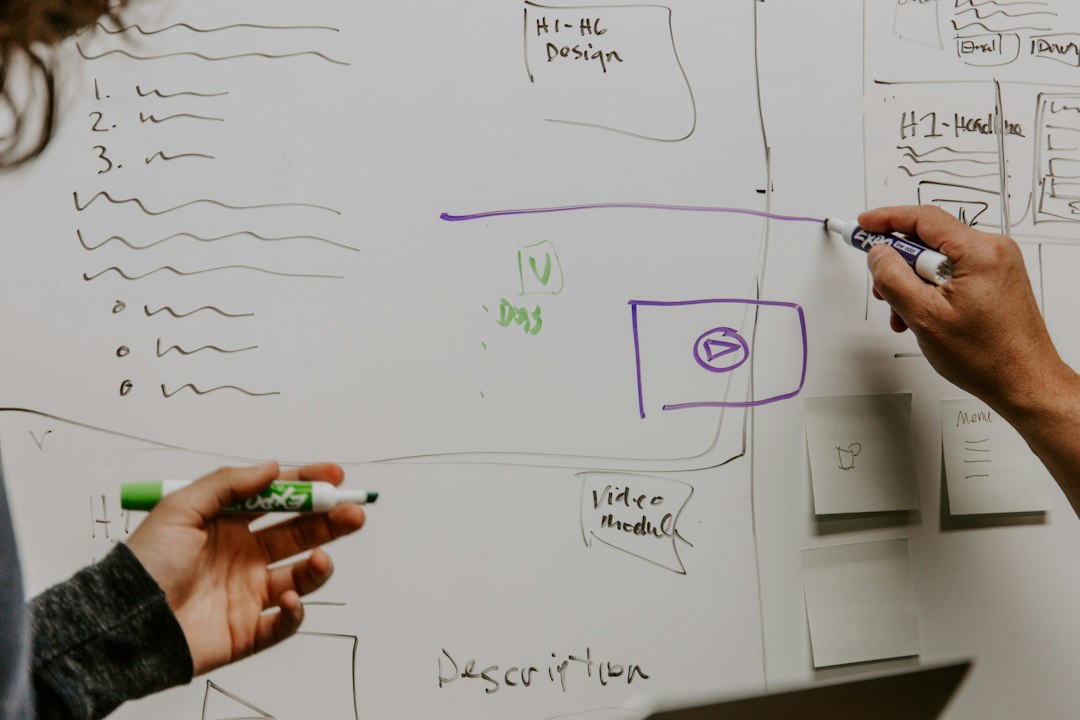
The InnovanSIS system model
Solutions
Capabilities That Work as One System
Each capability solves a specific operational problem. Together, they form one integrated architecture.
Business Transformation
Problem: Processes, roles, and systems grew without a shared design.
Result: A clear operating model and a prioritized transformation roadmap.
Typical deliverables
- Current-state assessment
- Process architecture and systems landscape
- Gap analysis and risk register
- Prioritized transformation roadmap
ERP Platform
Problem: Sales, operations, and finance run on disconnected tools.
Result: One operational core from lead to invoice to reporting.
Software & Integrations
Problem: Off-the-shelf tools don't fit specialized workflows.
Result: Integrations, portals, and apps that remove double entry.
Data, Automation & AI
Problem: Data exists, but no one trusts it or uses it to make decisions.
Result: Dashboards, automation, and applied AI on reliable data.
Managed Systems & Support
Problem: Systems degrade after go-live without ownership.
Result: Reliable, secure systems that keep improving.
Industries
Designed Around How Your Industry Operates
We build systems around real operational workflows, starting with the industries where fragmented work costs the most.

Construction & Field Services
Connect estimates, projects, crews, materials, and financial performance for contractors, specialty trades, HVAC, plumbing, electrical, and home service organizations.
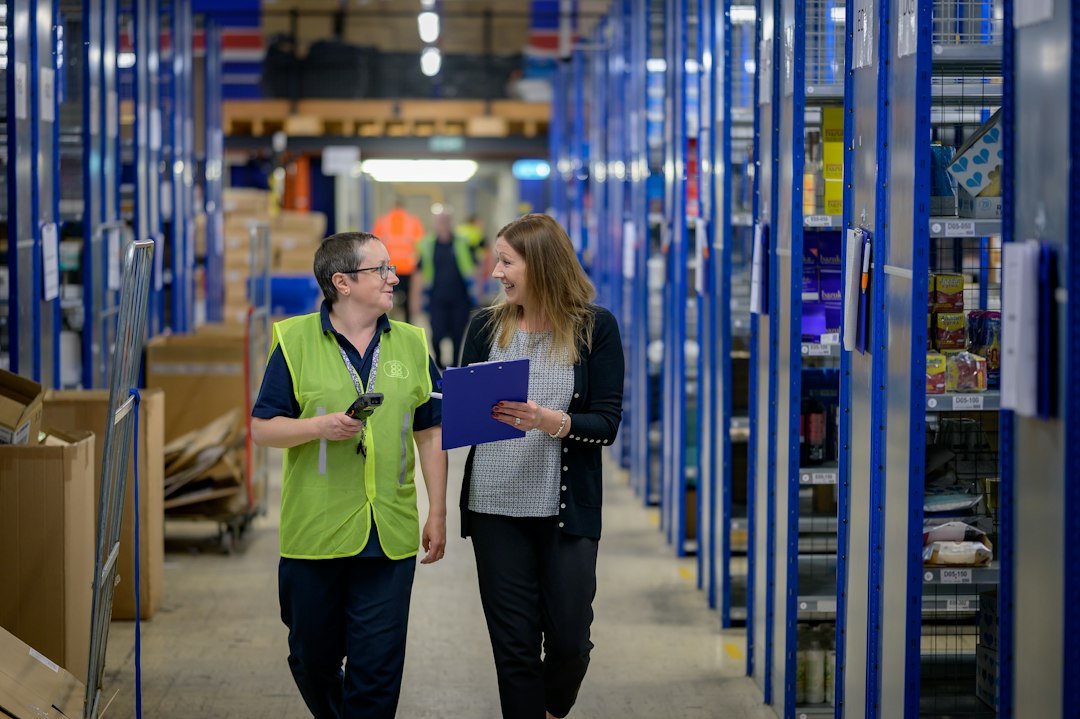
Distribution & Inventory
Inventory, purchasing, orders, and fulfillment controlled from one platform.
Professional Services
Sales, projects, resources, time, and profitability connected end to end.
Retail & eCommerce
Commerce, inventory, customers and financial operations unified.
Methodology
Transformation Without Losing Operational Control
A controlled path from operational complexity to scalable systems, with clear deliverables and decisions at every stage.
STEP 1
Assess
Understand objectives, processes, constraints and systems.
STEP 2
Architect
Define the target operating model and solution blueprint.
STEP 3
Implement
Configure, integrate and develop prioritized capabilities.
STEP 4
Adopt
Validate, train, document and prepare your teams.
STEP 5
Operate
Stabilize production and support the organization.
STEP 6
Improve
Measure results, optimize and add new automation.
Why InnovanSIS
A Systems Partner, Not Another Software Vendor
We connect strategy, process and technology, and we stay accountable for how the system performs.
Business-first architecture
We design how your organization should operate before choosing screens and modules.
Engineering foundation
A software engineering team that can configure, extend and integrate, not just install.
Integration beyond the ERP
Portals, external platforms, mobile apps and data flows connected into one system.
Industry understanding
Workflows modeled on how construction, service and distribution businesses really run.
AI readiness, not experiments
Clean, governed data first, so automation and AI deliver dependable results.
Improvement after go-live
We stay to measure, optimize and evolve the system as your business grows.
Illustrative workflow: one job, estimate to billing
Estimate approved
A contractor approves an estimate for a new installation.
Job created
The job is created with its scope and required selections.
Readiness checked
Before assignment, the office checks prerequisites and material readiness.
Progress recorded
The crew records progress and flags a site condition that affects the work.
Change reviewed
An authorized person reviews the change before the scope is updated.
Billing review
Completion records then support the billing review.

Illustrative Workflow
Follow One Job from Approved Estimate to Billing Review
One job, followed from the approved estimate to the billing review, with a change handled along the way. Each step shows the information that has to move between the office, the field team, and billing.
This is a workflow example, not a client case study or a claim about results already achieved.
Explore Construction & Field ServicesThe platform
Odoo, Organized Around How Your Business Actually Runs
We implement Odoo by complete operational cycles, not app by app, so every team works from the same connected record.
Lead to Revenue: Capture demand, qualify it and turn it into cash without re-typing a single record.
Estimate to Project: Approved estimates become projects with tasks, budgets and responsibilities already in place.
Work Order to Invoice: Every job moves from request to billing with complete information for crews and customers.
Procure to Pay: Purchasing, receiving and vendor bills stay linked to the projects and stock they serve.
Project to Profit: See margin while the work is still running, not weeks after it is finished.
Explore Odoo by business area
Insights
Insights for Building Smarter Business Systems
Practical thinking on business architecture, connected operations and applied AI.
Transformation Assessment
What Is Preventing Your Business from Operating as One System?
Start with a structured assessment of how your business works today, and prepare a more focused conversation about what to improve next.
Prefer to talk? 786-258-1088 • [email protected]
The assessment helps you reflect on
- How your business attracts customers
- How work is organized and assigned
- How performance is measured
- How information is connected across teams